


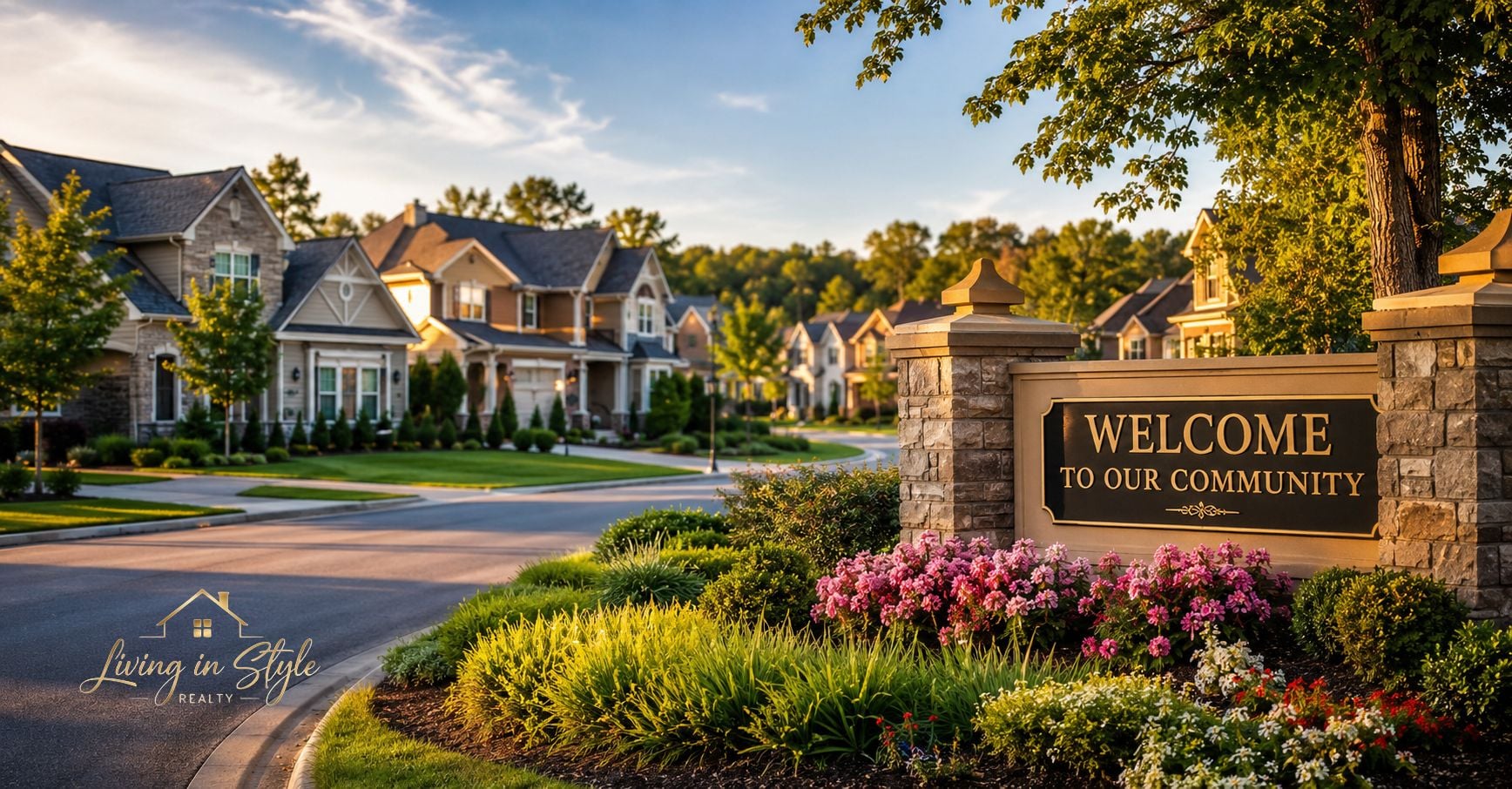
Strong communities thrive when homeowners' associations protect value while respecting the people who call the neighborhood home.
Homeowners' Associations (HOAs) often generate mixed opinions. Some homeowners love the consistency and protection they provide, while others worry about restrictions and excessive oversight. The truth is that a well-managed HOA can significantly preserve—and even enhance—property values, but only when it operates with reasonable boundaries and focuses on improving the community rather than controlling every aspect of residents' lives.
Whether you're purchasing your first home, investing in real estate, or considering a luxury property, understanding what makes an HOA effective can save you time, money, and frustration.
Why Do HOAs Exist?
At their best, Homeowners Associations are established to protect the investment every homeowner has made. They accomplish this by maintaining community standards, overseeing shared amenities, enforcing agreed-upon covenants, and ensuring neighborhoods remain attractive and functional.
Communities with responsible HOA management often experience:
- Better curb appeal
- Higher buyer demand
- More stable home values
- Well-maintained amenities
- Cleaner common areas
- Reduced neighborhood disputes
- Improved long-term investment potential
When buyers tour neighborhoods, they notice far more than the home itself. They notice landscaping, sidewalks, entrance monuments, community pools, lighting, mailboxes, and the overall pride of ownership.
First impressions matter.
The Boundaries Every Good HOA Should Have
A successful HOA understands the difference between protecting property values and unnecessarily restricting homeowners.
The healthiest associations focus on maintaining community standards without becoming intrusive.
1. Maintain Common Areas Exceptionally Well
This should always be the HOA's highest priority.
Examples include:
- Parks
- Walking trails
- Clubhouses
- Pools
- Tennis courts
- Entrance landscaping
- Street lighting
- Sidewalks
- Community signage
These are the features every resident pays to maintain and every prospective buyer notices.
2. Enforce Rules Consistently
Nothing creates frustration faster than selective enforcement.
Rules should apply equally to every homeowner regardless of:
- Length of residency
- Board relationships
- Property size
- Home value
Consistency builds trust within the neighborhood.
3. Focus on Genuine Property Maintenance
Reasonable standards typically include:
- Lawn maintenance
- Exterior home upkeep
- Broken fences
- Peeling paint
- Excessive weeds
- Abandoned vehicles
- Unsafe structures
These issues directly affect neighboring property values.
4. Allow Personal Expression
Communities should avoid micromanaging homeowners.
Reasonable flexibility can include:
- Seasonal decorations
- Landscaping choices
- Garden designs
- Patio furniture
- Holiday displays
- Exterior improvements that fit architectural guidelines
Homeowners should feel like owners—not tenants.
5. Maintain Financial Transparency
Homeowners deserve to understand where their HOA dues are going.
Great associations regularly communicate:
- Annual budgets
- Reserve funds
- Upcoming projects
- Special assessments
- Vendor contracts
- Long-term planning
Financial transparency creates confidence and reduces conflict.
Where HOAs Can Go Too Far
Unfortunately, some associations unintentionally reduce homeowner satisfaction through excessive regulation.
Examples include:
- Restricting minor landscaping preferences
- Overly aggressive parking enforcement
- Excessive architectural approval delays
- Frequent fines for insignificant issues
- Unreasonable mailbox or holiday decoration rules
- Poor communication with residents
When homeowners feel overregulated, community satisfaction often declines—even if property values remain stable.
Balance is essential.
How Strong HOA Leadership Protects Property Values
Great HOA boards share several characteristics:
Clear Communication
Residents understand the rules before problems arise.
Fair Decision-Making
Policies are enforced consistently and professionally.
Long-Term Planning
Deferred maintenance can become extremely expensive.
Healthy reserve funds protect homeowners from large surprise assessments.
Vendor Accountability
Landscaping, pool maintenance, security, and common-area improvements should receive regular oversight to ensure quality service.
HOA Questions Every Buyer Should Ask
Before purchasing a home governed by an HOA, ask:
- What are the monthly dues?
- What do the dues cover?
- Are there pending special assessments?
- How healthy is the reserve fund?
- Are there rental restrictions?
- What exterior modifications require approval?
- Are there ongoing lawsuits involving the HOA?
- How often are dues increased?
- What amenities are included?
- How active is the HOA board?
An experienced REALTOR® can help you review these documents before closing.
Luxury Communities and HOA Expectations
Luxury neighborhoods often have more comprehensive HOA guidelines because buyers expect:
- Beautiful entrances
- Immaculate landscaping
- Uniform architectural standards
- High-end amenities
- Security features
- Privacy
- Long-term neighborhood prestige
However, even luxury communities should maintain a balance between protecting investments and respecting homeowner individuality.
Luxury living should feel exclusive—not restrictive.
Why This Matters for Your Investment
For most families, a home is their largest financial asset.
A well-managed HOA helps preserve that investment through thoughtful planning, consistent maintenance, and responsible governance.
The best associations don't seek control—they seek stewardship.
When an HOA protects the neighborhood while respecting homeowners, everyone benefits:
- Current homeowners
- Future buyers
- Investors
- The surrounding community
That's the kind of neighborhood people want to call home.
Frequently Asked Questions
Does an HOA increase home values?
A professionally managed HOA can help maintain and potentially improve property values by preserving neighborhood appearance, maintaining amenities, and enforcing reasonable community standards.
Can an HOA tell you what to do with your property?
HOAs can enforce rules outlined in the community's governing documents, but those rules vary by association and are subject to state law.
What should I review before buying into an HOA?
Review the HOA's bylaws, Covenants, Conditions & Restrictions (CC&Rs), budget, reserve fund, meeting minutes, dues, and any pending special assessments.
Are HOA fees worth it?
That depends on the services provided. Communities offering well-maintained amenities, landscaping, and professional management often provide strong value for the fees homeowners pay.
Helpful Resources
Learn more about homeowners associations and homeownership through these trusted resources:
- Community Associations Institute (CAI)
- U.S. Department of Housing and Urban Development (HUD)
- Consumer Financial Protection Bureau (CFPB) Homeownership Resources
- Explore additional buyer and seller resources, luxury market insights, and community guides at Living In Style Realty.
Ready to Find the Right Community?
Whether you're searching for a luxury waterfront estate, a golf course home, a first home, or an investment property, understanding the quality of an HOA is just as important as choosing the right house.
At Living In Style Realty, we help buyers evaluate not only the home itself but the entire community—ensuring you make an informed decision that supports your lifestyle and protects your investment for years to come.
Contact Javier Sims Davila today to explore neighborhoods that align with your goals, your lifestyle, and your expectations. Visit Living In Style Realty to begin your home search or schedule a personalized consultation.
Check out this article next