


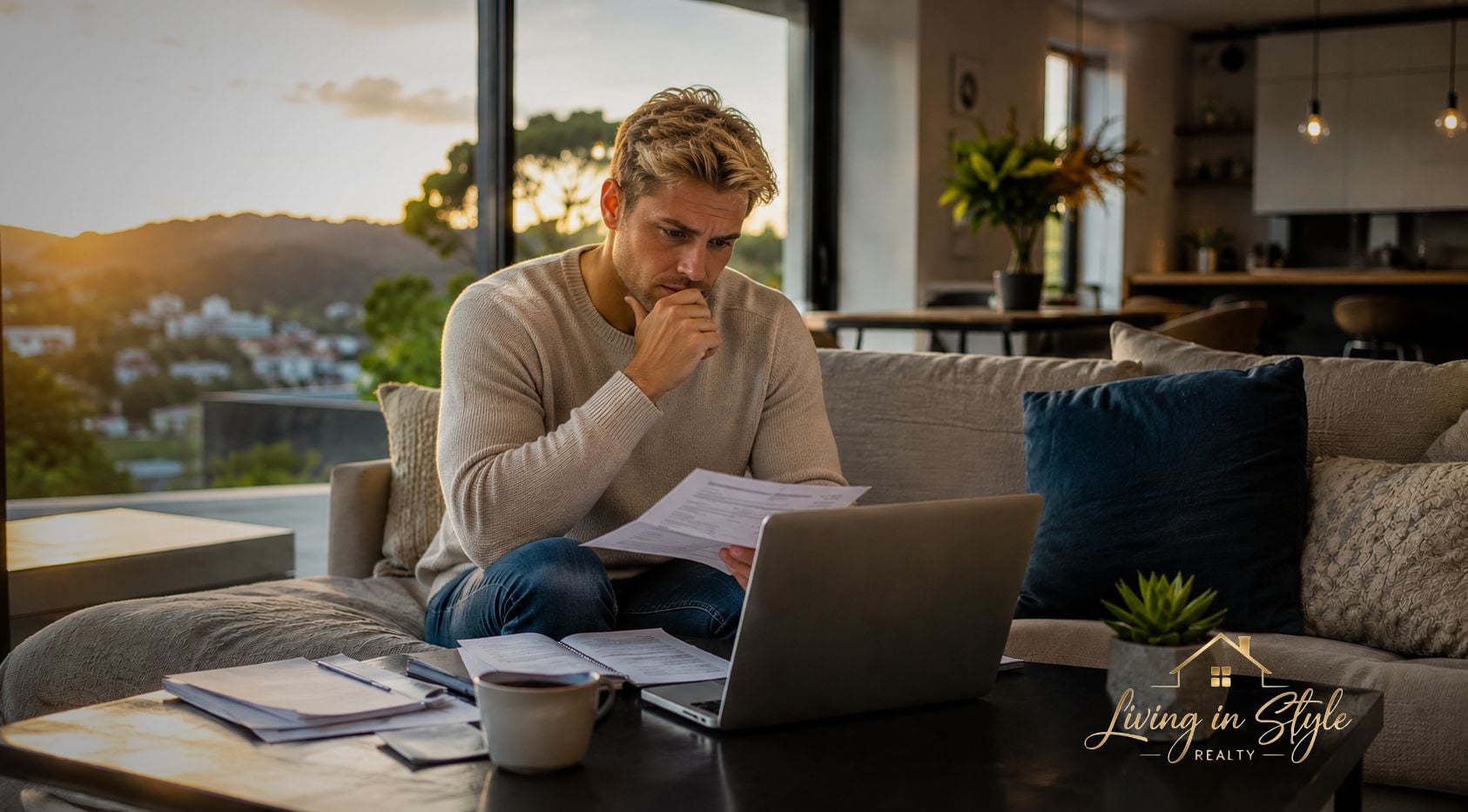
Don't Let Doubt Overshadow Your Dream Home
Buying a home is one of the largest financial and emotional investments most people will ever make. Whether you're purchasing your first home, upgrading to a luxury estate, downsizing, or investing in real estate, it's completely normal to experience moments of uncertainty.
This feeling is commonly known as buyer's remorse—the anxiety or second-guessing that can occur before or after purchasing a property.
The good news? With the right guidance, education, and preparation, buyer's remorse can often be prevented long before closing day.
As a trusted real estate professional, Javier Sims Davila, Broker-in-Charge of Living In Style Realty, believes informed clients make confident decisions. The goal isn't simply helping you buy a home—it's helping you buy the right home for your lifestyle, finances, and long-term goals.
What Is Buyer's Remorse in Real Estate?
Buyer's remorse is the emotional feeling that you've made the wrong decision after committing to a purchase. It can happen immediately after your offer is accepted, during inspections, while waiting to close, or even after moving into your new home.
Common thoughts include:
- "Did I overpay?"
- "Should I have kept looking?"
- "Did we buy too much house?"
- "Should we have chosen another neighborhood?"
- "What if home prices decline?"
- "Did we miss something important?"
These concerns are more common than many buyers realize and don't necessarily mean you've made a poor decision.
Why Buyers Experience Remorse
Several factors contribute to post-purchase anxiety.
Emotional Stress
Buying a home involves excitement, uncertainty, deadlines, negotiations, inspections, financing, and legal documents. The emotional weight alone can create doubt.
Financial Commitment
A mortgage often represents the largest financial obligation a family will undertake. It's natural to question such a significant investment.
Information Overload
Today's buyers consume endless online opinions, market predictions, and social media advice, much of which can be conflicting or inaccurate.
Fear of Missing Out (FOMO)
After purchasing one property, buyers often continue browsing listings and suddenly see another home they think they should have purchased instead.
Perfection Syndrome
Many buyers expect to find the "perfect" home. In reality, every property involves compromise.
Signs You May Be Experiencing Buyer's Remorse
Some common indicators include:
- Constantly comparing your home to new listings
- Second-guessing every decision
- Losing sleep before closing
- Feeling anxious after inspections
- Questioning your budget
- Worrying about future market conditions
- Regretting cosmetic features instead of focusing on overall value
Recognizing these emotions is the first step toward overcoming them.
How to Avoid Buyer's Remorse
1. Define Your Priorities Before You Begin
Create two lists:
Must-Haves
- Desired location
- School district
- Number of bedrooms
- Commute time
- Lot size
- Budget
Nice-to-Haves
- Pool
- Home office
- Luxury kitchen
- Outdoor living
- Smart home technology
Knowing your priorities helps prevent emotional decisions.
2. Stay Within Your Comfort Zone Financially
Buying at the very top of your approval limit may create unnecessary stress.
A comfortable monthly payment often leads to greater long-term satisfaction than purchasing the most expensive home you qualify for.
3. Understand the Local Market
Knowledge reduces uncertainty.
Working with a knowledgeable local REALTOR® helps buyers understand:
- Comparable sales
- Neighborhood trends
- Future development
- School information
- Appreciation potential
- Market timing
Understanding why a home is priced the way it is builds confidence in your decision.
4. Never Skip the Home Inspection
Professional inspections provide peace of mind.
They identify:
- Structural concerns
- Roofing issues
- HVAC performance
- Electrical safety
- Plumbing systems
- Foundation observations
An inspection allows buyers to make informed decisions rather than emotional ones.
5. Think Long-Term
Ask yourself:
"Will this home still meet our needs five to ten years from now?"
If the answer is yes, temporary market fluctuations become much less important.
Real estate has historically rewarded long-term ownership.
6. Stop Looking at Homes After Your Offer Is Accepted
One of the biggest causes of buyer's remorse is continuing to browse listings.
Every new listing seems better because you aren't evaluating it with inspections, disclosures, financing, or negotiations.
Once you're under contract, focus on your future home—not someone else's.
7. Work With an Experienced REALTOR®
An experienced real estate professional acts as both advisor and advocate.
Your REALTOR® should help you:
- Separate emotion from facts
- Evaluate true market value
- Negotiate effectively
- Understand inspection findings
- Explain financing options
- Prepare for closing
- Avoid costly mistakes
Experience often makes the difference between confidence and regret.
Luxury Home Buyers Can Experience Remorse Too
Luxury buyers aren't immune.
In fact, higher-priced transactions often involve even greater emotional pressure.
Luxury clients frequently ask:
- Is this property worth the premium?
- Will it retain value?
- Are we buying for lifestyle or investment?
- Does this community fit our long-term plans?
These questions make strategic guidance even more valuable.
Questions Every Buyer Should Ask Before Writing an Offer
Before submitting an offer, ask yourself:
- Does this home meet my most important goals?
- Can I comfortably afford the monthly payment?
- Am I buying because I love the property—or because I feel rushed?
- Have I researched the neighborhood?
- Have I considered future resale value?
- Have I discussed every concern with my REALTOR®?
Honest answers often eliminate future doubts.
The Importance of Education Throughout the Buying Process
The best real estate experience isn't measured by how quickly a transaction closes.
It's measured by how confident the client feels after receiving the keys.
Buyer education should include:
- Understanding contracts
- Financing options
- Inspection expectations
- Insurance considerations
- Closing costs
- Home maintenance
- Future resale strategy
An educated buyer becomes a confident homeowner.
Frequently Asked Questions
Is buyer's remorse normal after buying a house?
Yes. Many buyers experience temporary uncertainty because purchasing a home is both an emotional and financial milestone.
How can I avoid buyer's remorse?
Work with an experienced REALTOR®, establish a realistic budget, prioritize your needs, research neighborhoods, complete inspections, and focus on long-term goals rather than short-term emotions.
What causes buyer's remorse in real estate?
Common causes include financial anxiety, emotional stress, fear of missing out, information overload, and unrealistic expectations about finding a "perfect" home.
Should I keep looking at homes after my offer is accepted?
Generally, no. Continuing to browse listings often increases unnecessary doubt and comparison without considering the full context of those properties.
Can luxury home buyers experience buyer's remorse?
Absolutely. Larger investments often bring greater scrutiny, making trusted guidance and careful planning even more important.
Final Thoughts
Every successful real estate transaction is built on preparation, education, and trust.
The right home isn't always the most expensive, newest, or largest—it is the one that aligns with your goals, lifestyle, and financial future.
When buyers take the time to prepare and partner with a knowledgeable professional, they replace uncertainty with confidence and buyer's remorse with lasting satisfaction.
Helpful Resources
Explore these trusted resources to learn more about buying a home and understanding today's market:
- National Association of REALTORS®: https://www.nar.realtor
- Consumer Financial Protection Bureau – Home Buying Guide: https://www.consumerfinance.gov/owning-a-home
- Freddie Mac – Homebuyer Education: https://myhome.freddiemac.com
- Living In Style Realty: https://www.livinginstylerealty.net
Ready to Buy With Confidence?
Whether you're purchasing your first home, relocating to the Lake Norman area, investing in North Carolina real estate, or searching for a luxury property, having the right representation can make all the difference.
At Living In Style Realty, Javier Sims Davila combines market expertise, strategic negotiation, personalized education, and a client-first approach to help buyers make informed decisions with confidence. From your first showing to closing day—and beyond—you'll have a trusted advisor committed to protecting your interests every step of the way.
Visit: https://www.LivingInStyleRealty.net
Schedule your private consultation today and discover how confidence, preparation, and expert guidance can help you find the right home without regret
Check out this article next