

Protect Your New-Construction Investment Before the Walls Go Up
Building a new home is exciting, but new construction does not automatically mean flawless construction. Even reputable builders coordinate numerous subcontractors, materials, installations, and inspections across a fast-moving schedule. Small issues can be overlooked, concealed by later construction, or become more expensive to correct after closing.
That is why buyers should consider hiring their own qualified, independent home inspector at key stages of the building process. Municipal inspections help determine whether certain work meets applicable building-code requirements, while an independent inspector evaluates the home from the buyer’s perspective. These inspections provide another layer of oversight, documentation, and protection for your investment.
Independent Inspections Can Identify Problems Before They Are Covered
The best time to discover a construction concern is before it is hidden behind drywall, flooring, insulation, or exterior finishes. Once these materials are installed, some components become difficult—and sometimes costly—to access.
A phased inspection strategy may include:
- Foundation or pre-pour inspection: Evaluates visible site preparation, forms, reinforcement, plumbing penetrations, and other accessible components before concrete is poured.
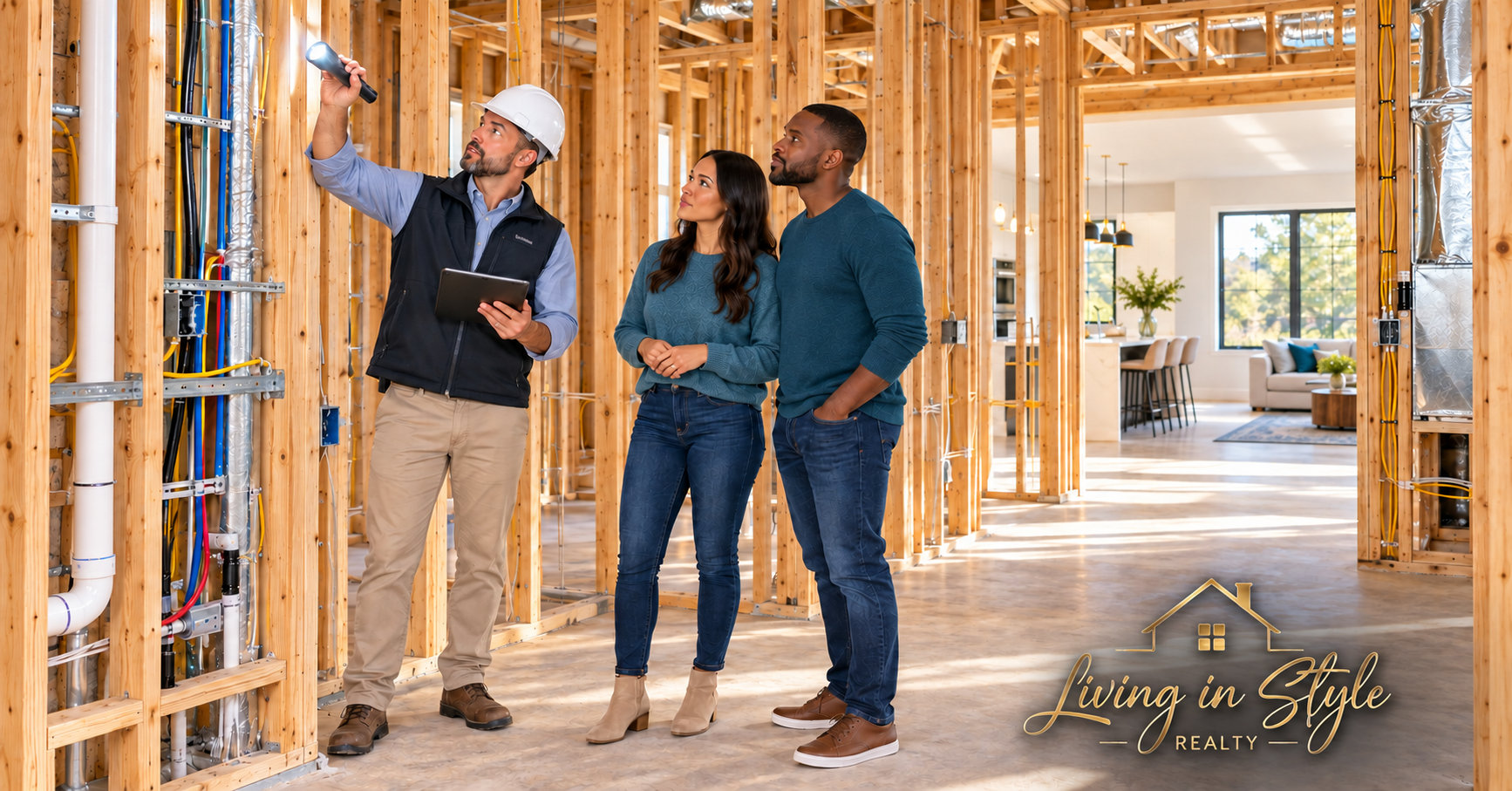
- Pre-drywall inspection: Reviews visible framing, plumbing, electrical wiring, HVAC components, insulation preparation, and structural connections before the walls are closed.
- Final inspection: Evaluates the completed home’s major systems, appliances, finishes, safety components, drainage, roof, attic, crawlspace, and other accessible areas before closing.
- Warranty inspection: Often scheduled near the end of the builder’s warranty period to identify issues that appeared after the home settled and was occupied.
Inspection availability will depend on the construction type, builder agreement, community policies, local requirements, and construction schedule. Buyers should confirm inspection rights and notice requirements before signing a new-construction contract.
Your Inspector Works for You—not the Builder
A builder may conduct quality-control reviews, and local officials may perform required inspections, but those professionals do not replace an independent inspector selected by the buyer.
Your inspector’s role is to provide an impartial assessment of the home’s visible and accessible conditions. This can help you:
- Document concerns while repairs are easier to complete
- Ask informed questions about construction quality
- Monitor whether previously identified items were corrected
- Reduce unexpected repair expenses after closing
- Create a written record with photographs
- Better understand the home’s systems and maintenance needs
- Approach the final walkthrough with greater confidence
Independent inspections are not about assuming the builder has done something wrong. They are about verifying the work and addressing concerns at the most practical time. A professional builder should understand that careful inspections can contribute to a smoother completion and a better-informed homeowner.
Common Issues Found During New-Construction Inspections
Even a beautiful new home may contain items that need attention. Inspectors may discover concerns involving:
- Improper grading or drainage
- Roof installation or flashing
- Missing insulation or incomplete air sealing
- Plumbing leaks or loose connections
- Electrical outlets, wiring, or panel labeling
- HVAC installation, airflow, or ductwork
- Framing or structural connections
- Windows and doors that do not operate properly
- Damaged finishes, flooring, cabinetry, or fixtures
- Incomplete caulking, sealing, or weatherproofing
- Appliances or safety devices that do not function as intended
Not every observation represents a major defect. However, documenting smaller concerns before closing may help prevent them from becoming larger problems later.
Do Not Wait Until the Final Walkthrough
The builder’s final walkthrough is important, but it should not be your first close examination of the home. A walkthrough typically focuses on visible cosmetic details, operating instructions, and completion items. It may not provide enough time or access to evaluate the property’s major systems thoroughly.
When possible, schedule inspections at several construction milestones and allow enough time for the inspector to prepare a report, for you to submit concerns according to the contract, and for the builder to respond before the next stage begins.
Your real estate professional can help you monitor important dates, communicate with the builder’s representative, coordinate inspection access, and keep the process moving. The inspector provides the technical evaluation; your agent helps you navigate the transaction and advocate for your contractual interests.
Frequently Asked Questions About New-Construction Inspections
Does a brand-new home really need an inspection?
Yes. New homes are built by people, and multiple contractors may work on the property. An independent inspection can identify incomplete work, installation concerns, damage, or systems that are not operating as expected.
Isn’t the municipal building inspection enough?
Municipal inspections serve an important purpose, but they generally focus on compliance with applicable codes at specific stages. An independent home inspection is broader and is performed for the buyer’s benefit.
When should I schedule inspections during construction?
Common opportunities include before the foundation is poured when access is permitted, before drywall installation, shortly before the final walkthrough or closing, and near the end of the builder’s warranty period. The appropriate schedule depends on the home and construction agreement.
Can my builder refuse to allow an independent inspection?
Inspection access is often governed by the purchase contract and the builder’s policies. Review these terms before signing and confirm how much notice is required. Your real estate professional or attorney can help you understand the applicable contract language.
Who should pay for the inspections?
The buyer typically hires and pays the independent inspector. Although this creates an additional expense, phased inspections may uncover issues when they are easier and less costly to address.
Should I use the inspector recommended by the builder?
You should select a qualified inspector who works independently for you. Research credentials, experience, insurance, reviews, and familiarity with new construction. North Carolina buyers should verify that the inspector holds any licensing required for the work being performed.
What happens if the inspector finds a problem?
The inspection report should document the concern clearly. Your options will depend on the contract, construction stage, builder warranty, and nature of the issue. Your real estate professional can help submit the findings and request an appropriate response from the builder.
Should I attend the inspections?
When permitted, attending at least part of the inspection can be valuable. It gives you an opportunity to see the concerns firsthand, ask questions, and learn more about operating and maintaining your new home.
Do I still need an inspection if the builder offers a warranty?
Yes. A builder warranty does not identify problems for you, and its coverage, exclusions, procedures, and deadlines may vary. An inspection near the warranty expiration date may help document concerns before the applicable reporting period ends.
Build With Greater Confidence
Whether you are building in Lake Norman, Charlotte, Cornelius, Davidson, Huntersville, Mooresville, Denver, Sherrills Ford, or a surrounding North Carolina community, professional representation and independent inspections can help protect your interests throughout the construction process.
With more than 30 years of client-focused experience, Javier Sims Davila helps buyers understand builder contracts, monitor construction milestones, coordinate inspections, ask informed questions, and prepare for a successful closing.
Planning to purchase or build a new-construction home? Contact me - Javier Sims Davila with Living In Style Realty before visiting the builder or signing a contract. Visit LivingInStyleRealty.net to explore available homes, discuss your building goals, and receive experienced guidance from the first consultation through closing.
This article provides general educational information and does not replace advice from a licensed home inspector, engineer, contractor, attorney, or other qualified professional.
Check out this article next