


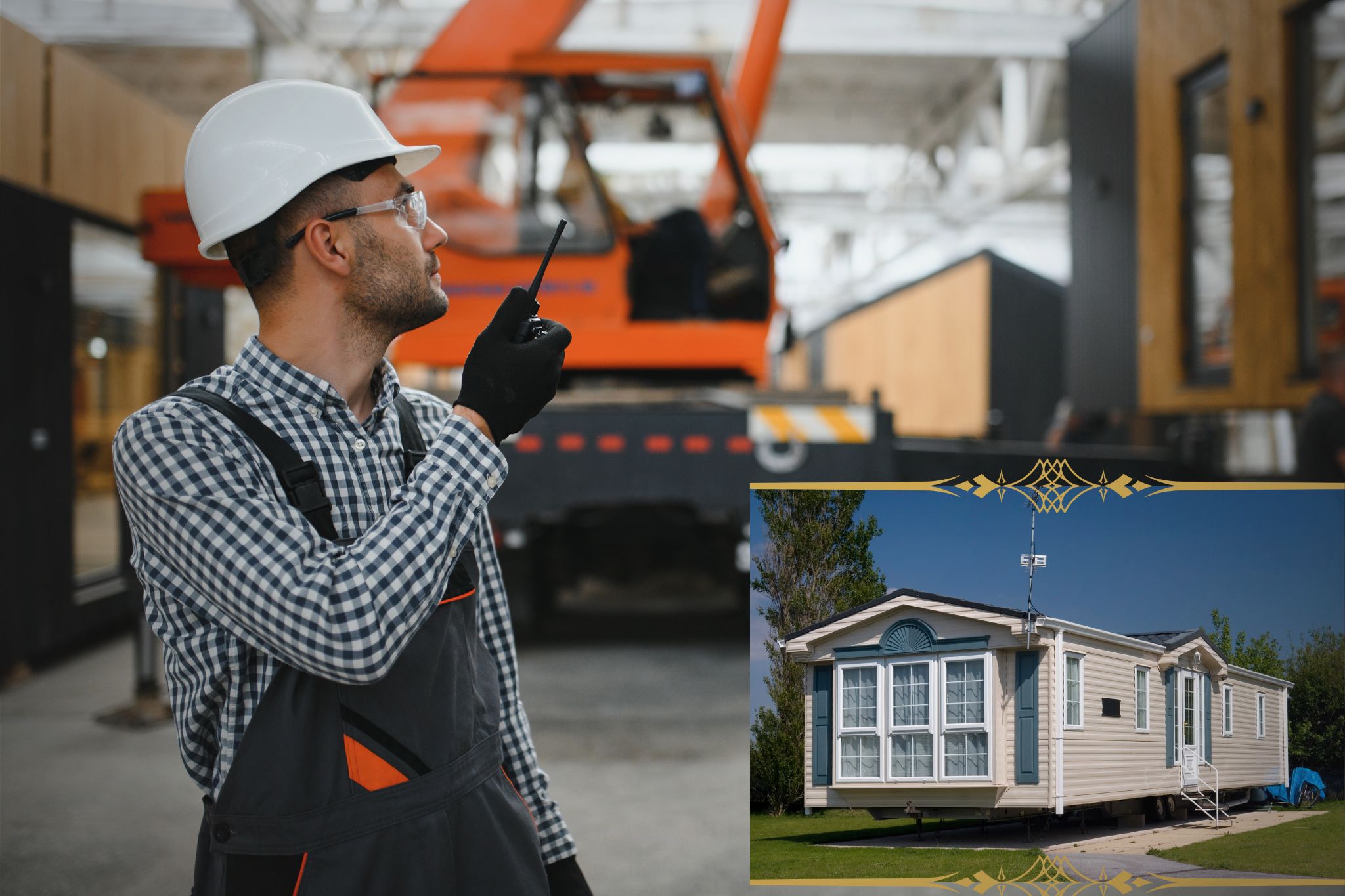
If you’re exploring factory-built housing, it’s important to understand the difference between a modular home and a manufactured home. While both are built in a factory, they differ significantly in construction standards, financing, and long-term value.
What Is a Modular Home?
A modular home is built in sections inside a factory and assembled on-site on a permanent foundation. These homes are built to the same local and state building codes as traditional site-built homes.
Key benefits of modular homes:
Permanent foundation
Built to local building codes
Eligible for traditional mortgages
Strong resale and appreciation potential
Customizable designs
Once completed, modular homes are virtually indistinguishable from site-built homes.
What Is a Manufactured Home?
A manufactured home is built on a steel chassis and follows the federal HUD Code, not local building codes. These homes are designed to be transportable and are often placed in mobile home communities.
Key features of manufactured homes:
Built on a steel frame
Lower upfront cost
Can be placed on temporary or permanent foundations
Typically financed with chattel loans
Often depreciate over time
Modular vs. Manufactured Homes: Quick Comparison
Building Codes: Modular = local codes | Manufactured = HUD code
Foundation: Modular = permanent | Manufactured = flexible
Financing: Modular = conventional loans | Manufactured = specialized loans
Value: Modular homes hold value better over time
Which Home Is Right for You?
Choose a modular home if you want long-term value, mortgage financing, and a traditional home feel.
Choose a manufactured home if affordability and flexibility are your top priorities.
Final Takeaway
Both modular and manufactured homes offer faster construction and factory-built quality. Understanding the difference helps buyers make smarter real estate decisions and avoid surprises during financing or resale.
Check out this article next