


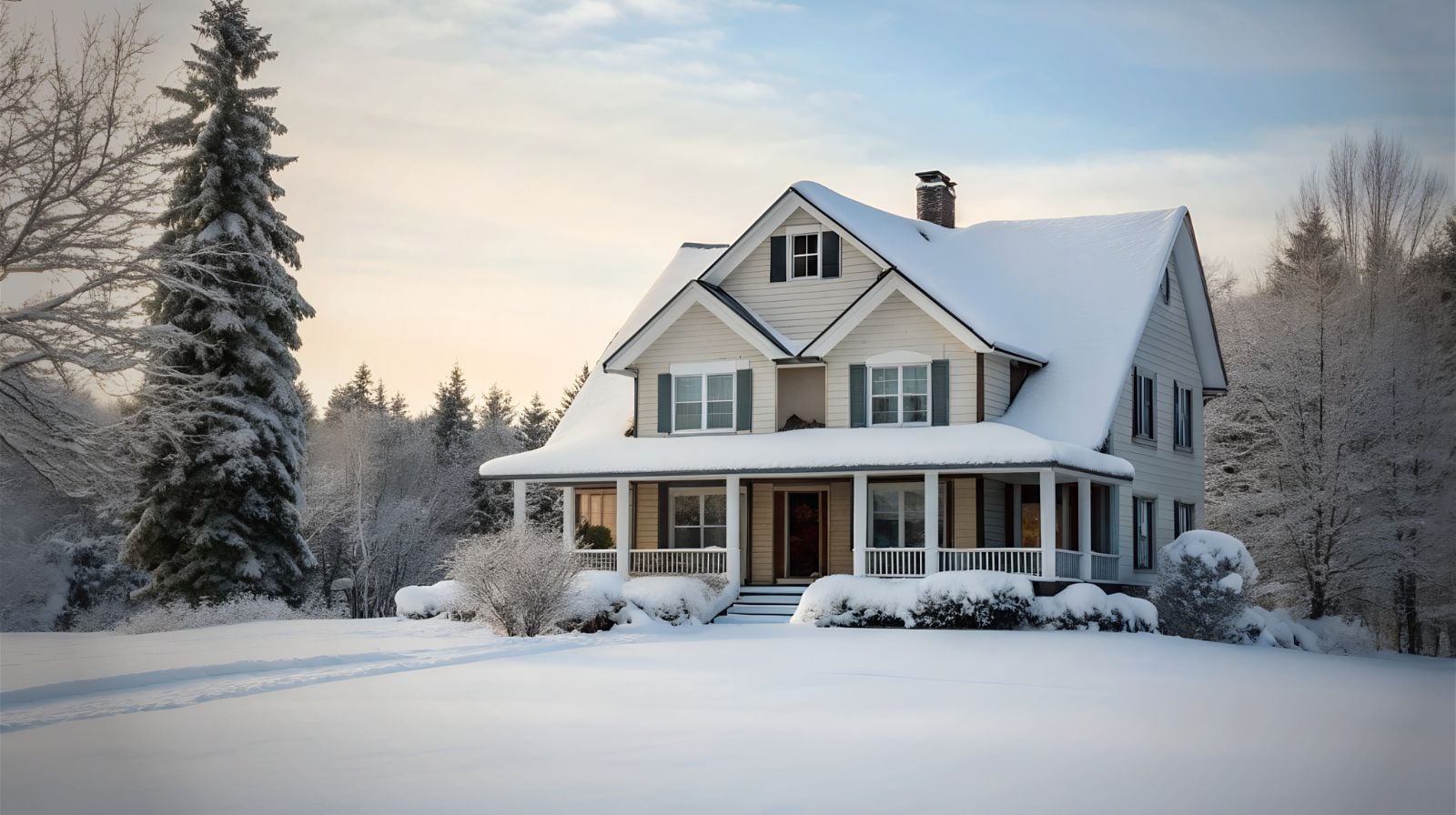
Winter Home Protection Tips
Snowy and icy weather can be harsh on your home if you’re not properly prepared. From roof damage to frozen pipes, winter storms bring a range of risks for homeowners. Taking the right steps ahead of time can help you prevent costly repairs and keep your home safe, warm, and energy-efficient throughout the winter season.
Below are essential winter home protection tips to help safeguard your property against snow, ice, and freezing temperatures.
1. Protect Your Roof From Snow and Ice Damage
Your roof is one of the most vulnerable parts of your home during winter.
Winter roof maintenance tips:
Inspect shingles for cracks, curling, or missing pieces
Clean gutters to prevent ice dams and water backups
Remove debris and trim overhanging tree branches
Check flashing around chimneys and vents
A well-maintained roof reduces the risk of leaks, structural damage, and ice buildup during snowstorms.
2. Prevent Ice Dams on Your Roof
Ice dams form when warm air escapes from your home and melts snow on the roof, which then refreezes at the edges.
How to prevent ice dams:
Add proper attic insulation
Seal air leaks around vents, ducts, and attic hatches
Ensure adequate attic ventilation
Preventing ice dams helps protect your roof, ceilings, walls, and insulation from water damage.
3. Protect Pipes From Freezing Temperatures
Frozen pipes are a major winter hazard and can burst without warning.
Frozen pipe prevention tips:
Insulate exposed pipes in basements, crawl spaces, garages, and attics
Keep indoor temperatures consistent, even when away
Let faucets drip slightly during extreme cold
Open cabinet doors under sinks to allow warm air circulation
Taking these steps can prevent water damage and expensive plumbing repairs.
4. Seal Doors and Windows to Keep Cold Air Out
Drafty doors and windows allow heat to escape and cold air to enter, increasing energy costs.
Winter weatherproofing tips:
Install weatherstripping and caulking
Use draft blockers at door bottoms
Repair damaged window seals or frames
Ensure windows lock properly for a tighter seal
Sealing your home improves comfort and lowers heating bills during winter.
5. Maintain Your Heating System Before Winter
Your heating system works overtime during cold weather, so preparation is key.
Heating system winter checklist:
Schedule a professional furnace or HVAC inspection
Replace air filters regularly
Test your thermostat
Install and check carbon monoxide detectors
A properly maintained heating system ensures safety, efficiency, and reliable warmth.
6. Manage Snow and Ice Around Your Home
Exterior snow buildup can cause structural issues and safety hazards.
Snow safety tips for homeowners:
Shovel snow away from walkways, driveways, and foundations
Use pet- and concrete-safe ice melt products
Clear snow from vents, exhaust pipes, and dryer outlets
Avoid piling snow against exterior walls
Managing snow properly helps prevent ice damage and reduces accident risks.
7. Prepare for Winter Power Outages
Snowstorms often cause power interruptions, so preparation is essential.
Winter emergency preparedness tips:
Keep an emergency kit with flashlights, batteries, blankets, and food
Charge phones and backup power banks before storms
Consider a generator or battery backup system
Know how to safely heat your home during outages
Being prepared helps keep your household safe and comfortable during winter storms.
Final Thoughts: Winterize Your Home Before the Snow Hits
Protecting your home from snowy weather starts with preparation. By maintaining your roof, insulating properly, sealing air leaks, and planning for emergencies, you can prevent winter damage and enjoy peace of mind all season long.
A well-winterized home is safer, more energy-efficient, and better equipped to handle whatever winter brings.
For more information on real estate contact Javier Sims Davila® at LivingInStyleRealty.net
Check out this article next